Highlighted reviews
Click here to read all our reviews, starting with the most recent, or see highlights below:
Science Fact


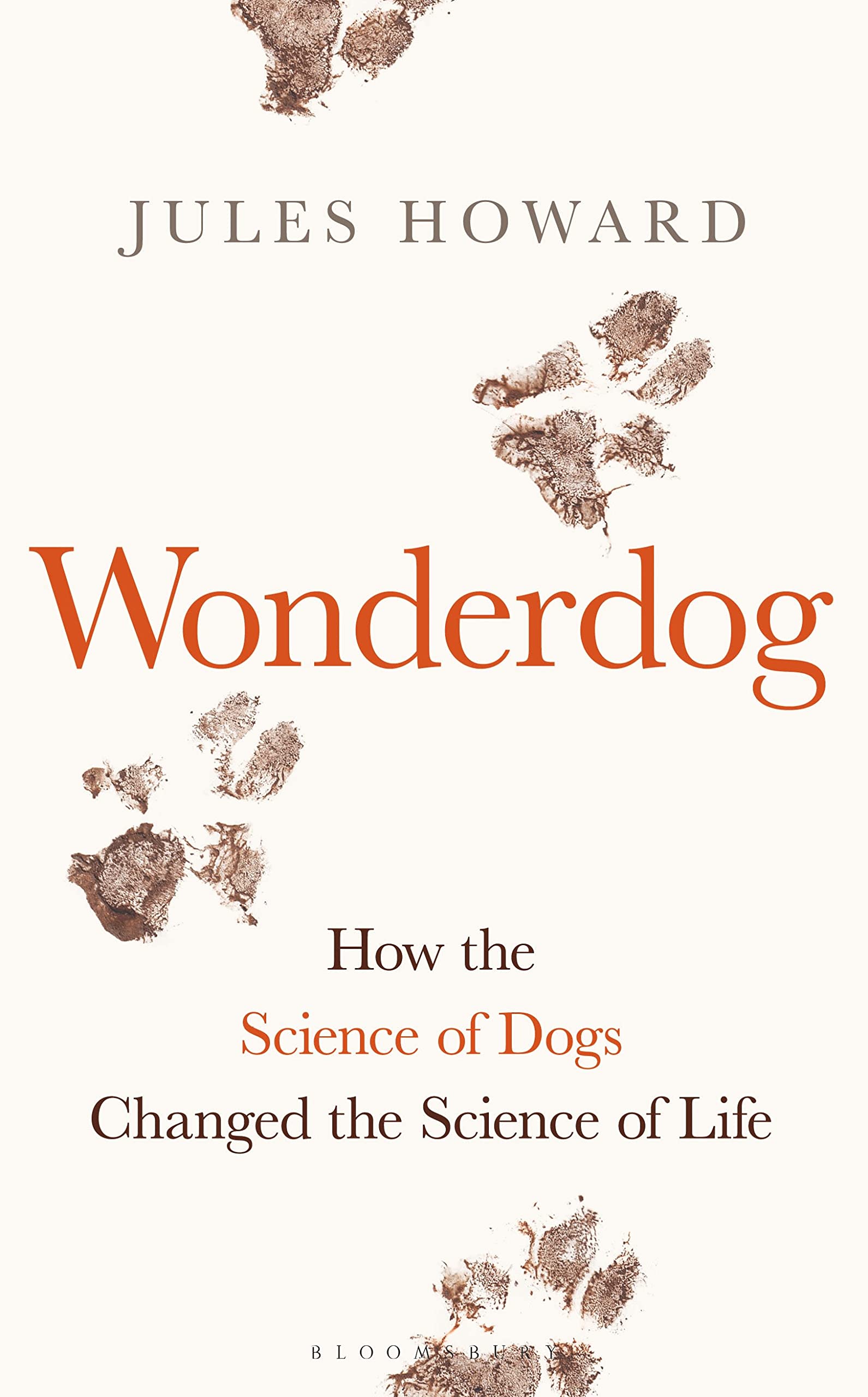
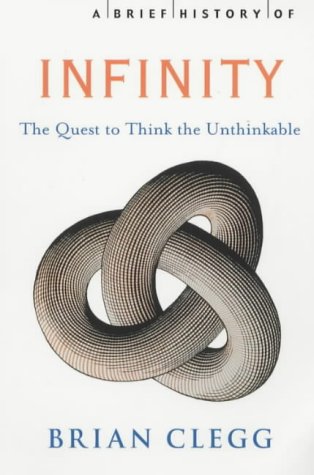
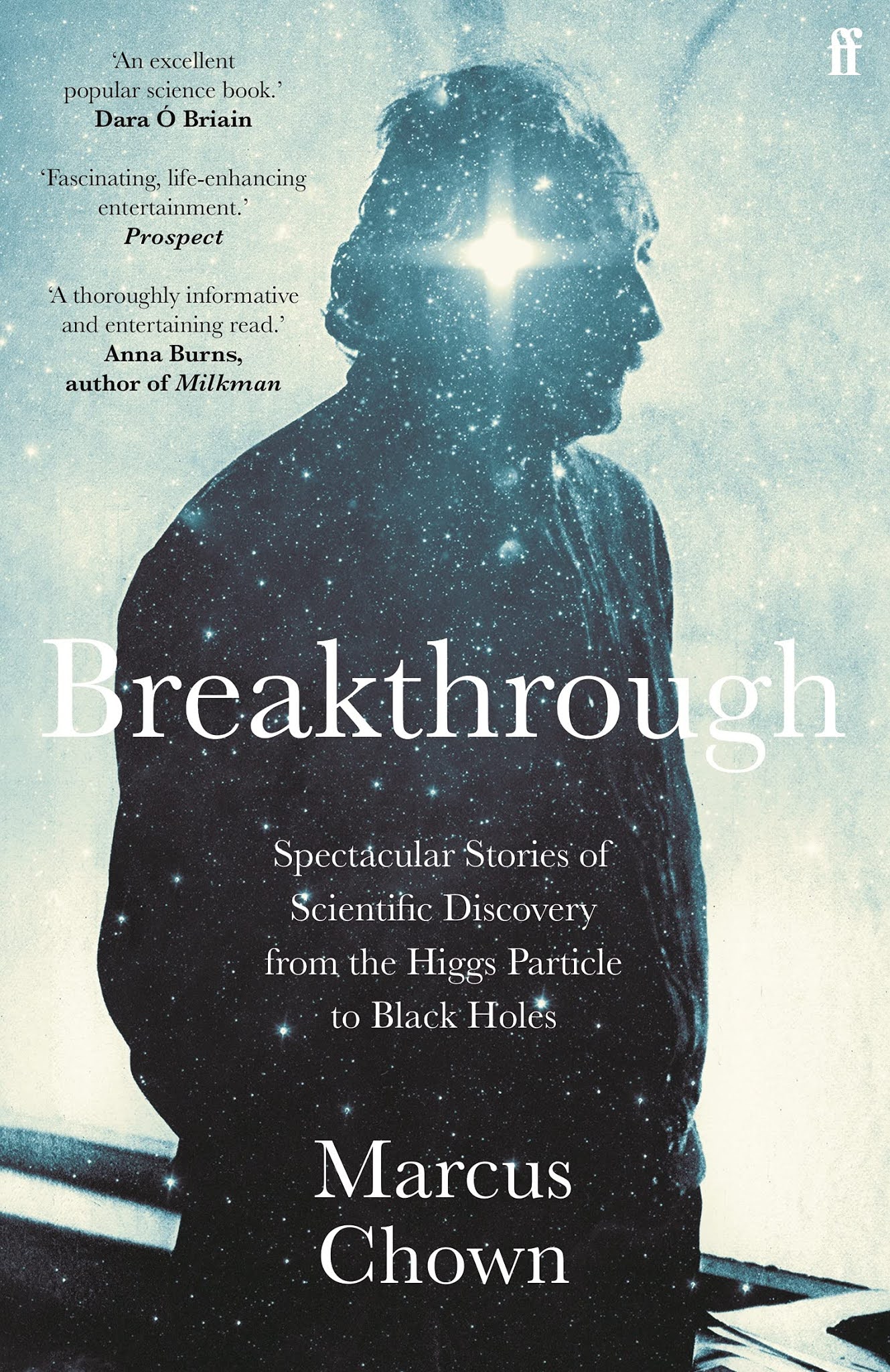
click the image to read the review.


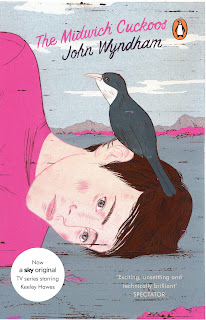
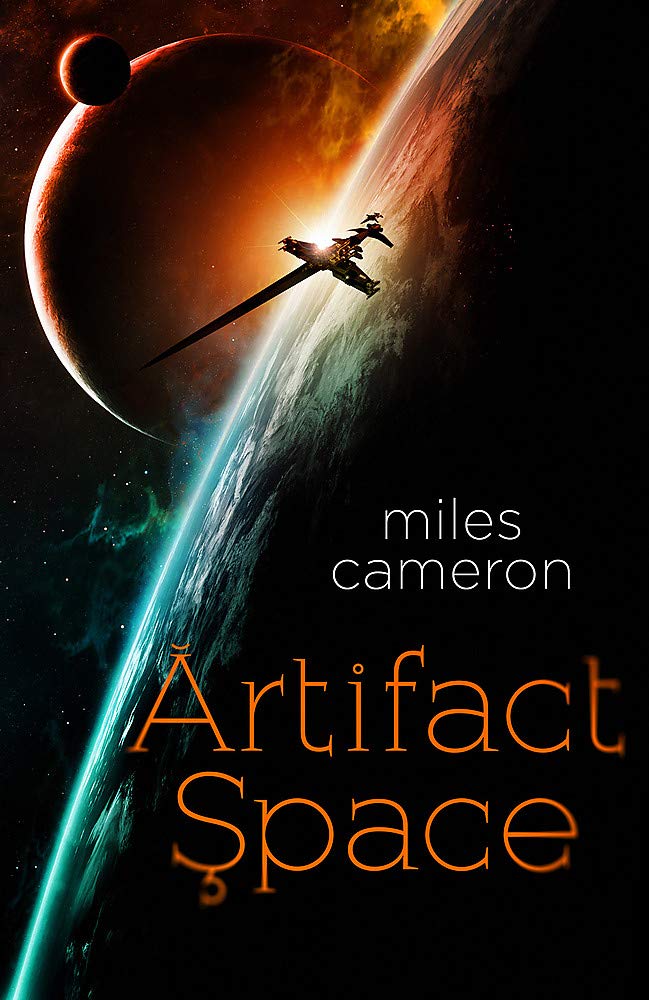
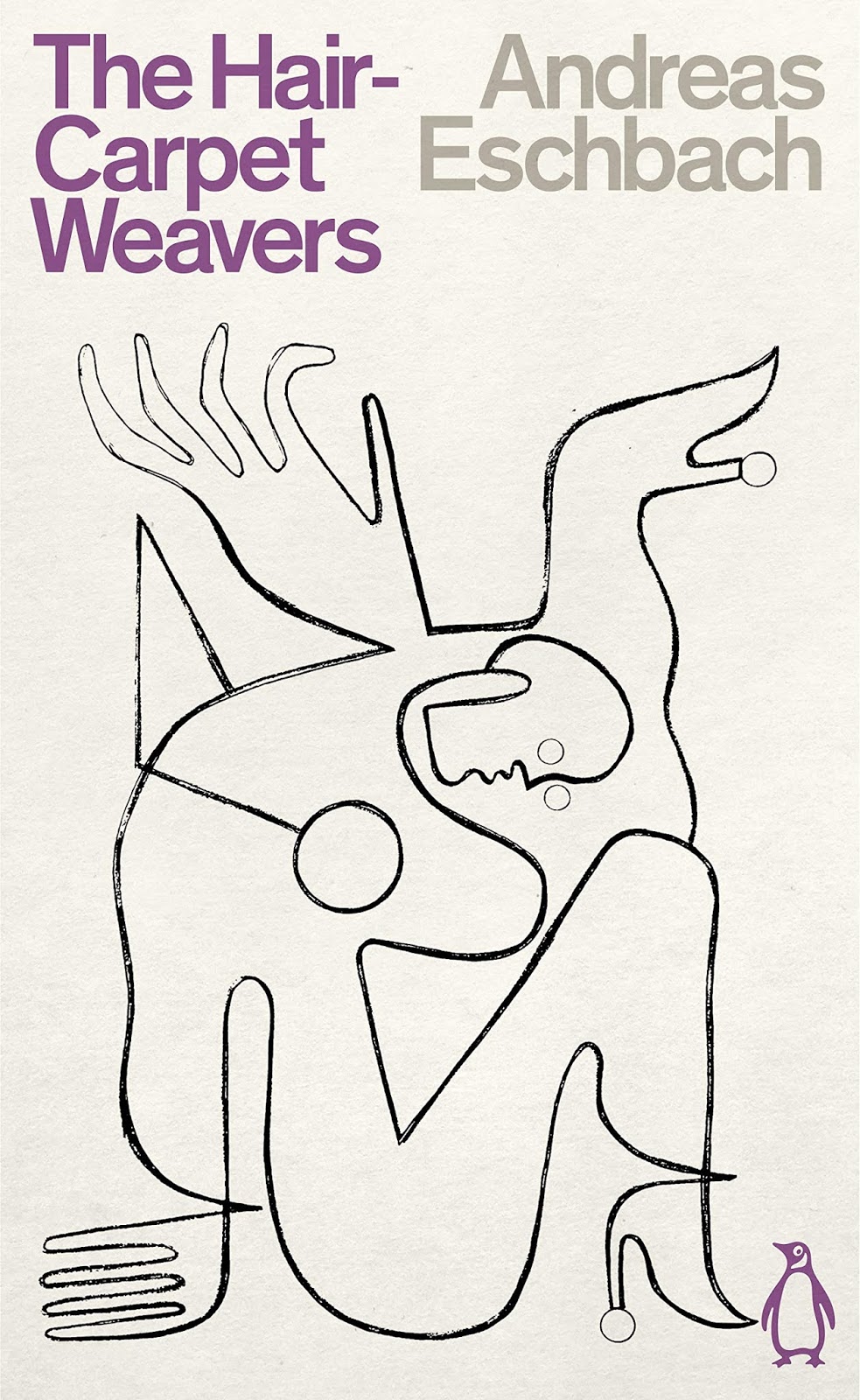
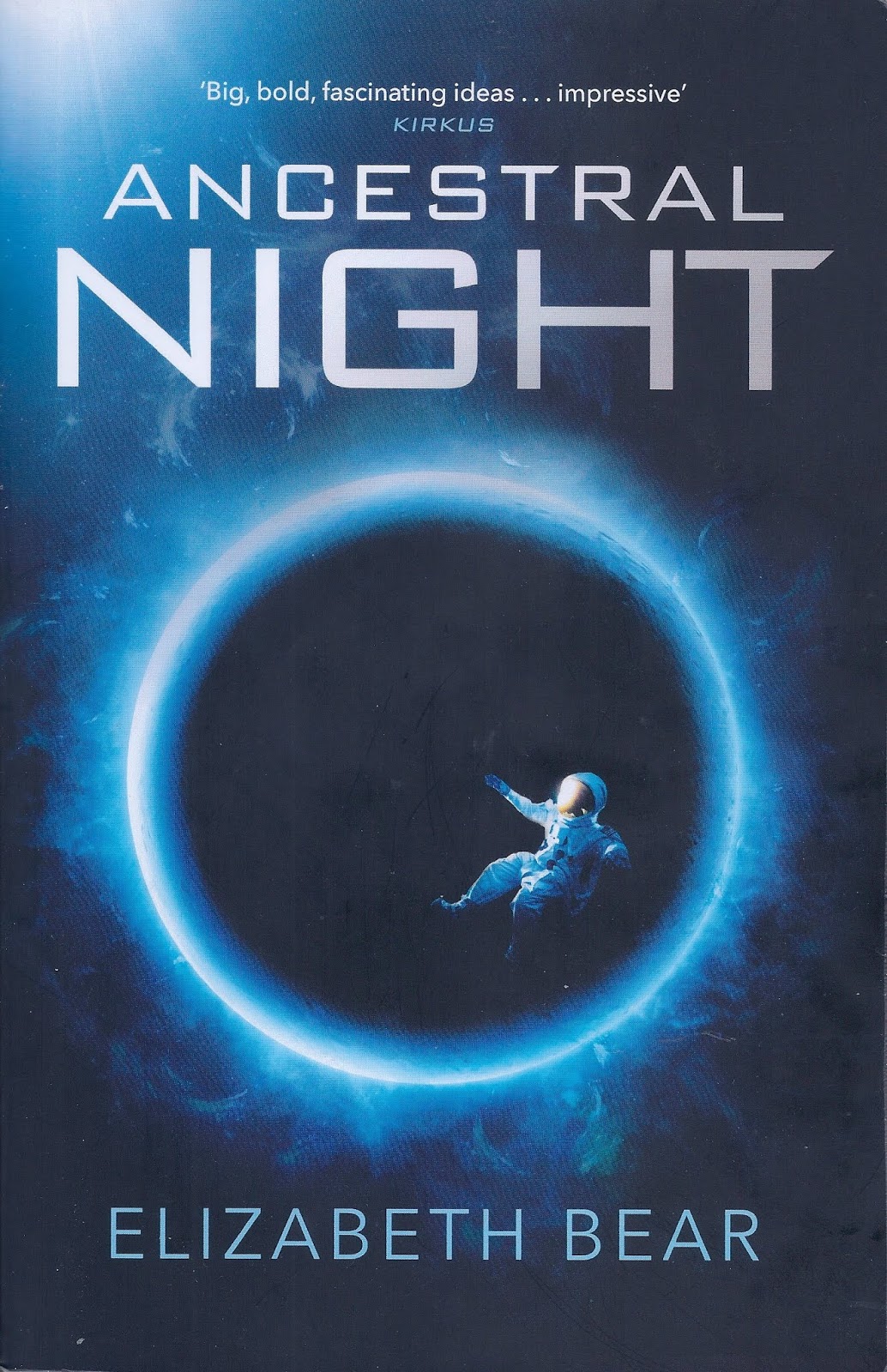
click the image to read the review.
As an Amazon Associate I earn from qualifying purchases.
Latest Interview
Science journalist Helen Pearson tells us how she became interested in the origins of evidence-based medicine, why theories require evidential support and the importance of systemic reviews.
Image © Alastair Fyfe

Fancy a break from science books?

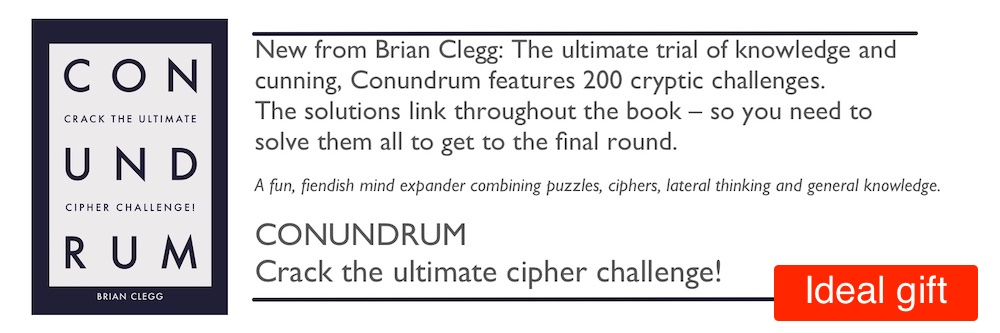
NEW LOOK FOR 2025 - The ultimate trial of knowledge and cunning, Conundrum features 200 cryptic puzzles and ciphers. The solutions link throughout the book – so you need to solve them all to get to the final round.
With a focus on ciphers and codebreaking, Conundrum contains twenty sections, each built around a specific subject from music to literature, physics to politics. To take on Conundrum you need good general knowledge and the ability to think laterally. But if you need help, there are plenty of hints to point you in the right direction.

Feature - Should we question science?
Our editor, popular science author Brian Clegg looks into allegations that science communicator Sabine Hossenfelder is playing into the hands of science deniers by criticising some aspects of science.
Books by category
Books by star rating
Other articles
Gift Guide
There’s nothing worse than choosing gifts for difficult-to-buy-for people.
But help is at hand: click through to the Popular Science gift guide.
More features
We also explore why maths is relevant to the game of blackjack, the science behind different kinds of slot machines, the science of winning at casinos, probabilities in conundrums and casino games, how AI is taking on the pro gambler, brain training software, slot machine science, randomness in casino games, the role of statistical noise in casino games, the best holiday shopping guide, video game science and online bingo.
Follow our editor on Facebook
DISCLAIMER
This site has no connection with Popular Science magazine or other sites and publications with a similar name.
The website should not be eaten or used where it can come into contact with water.
Much of the content of this site is written by popular science writers or friends of popular science writers. Inevitably many of the reviews in such a small community are written by or about someone we know. We always aim to be impartial in our reviews, but there is a connection which we need make clear, as there is no intention to deceive. The content of any review or article is solely the opinion of the author and should not be read or understood on any other basis. The site exists to promote popular science writing and popular science authors and for this reason should be considered promotional material, just as the editorial reviews in an online bookshop or the blurb on the back of a book should be considered promotional.