Highlighted reviews
Click here to read all our reviews, starting with the most recent, or see highlights below:
Science Fact
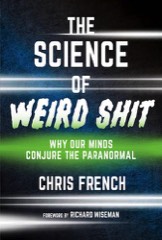
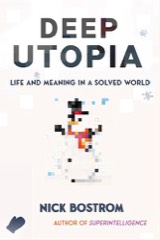
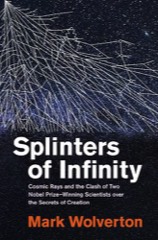
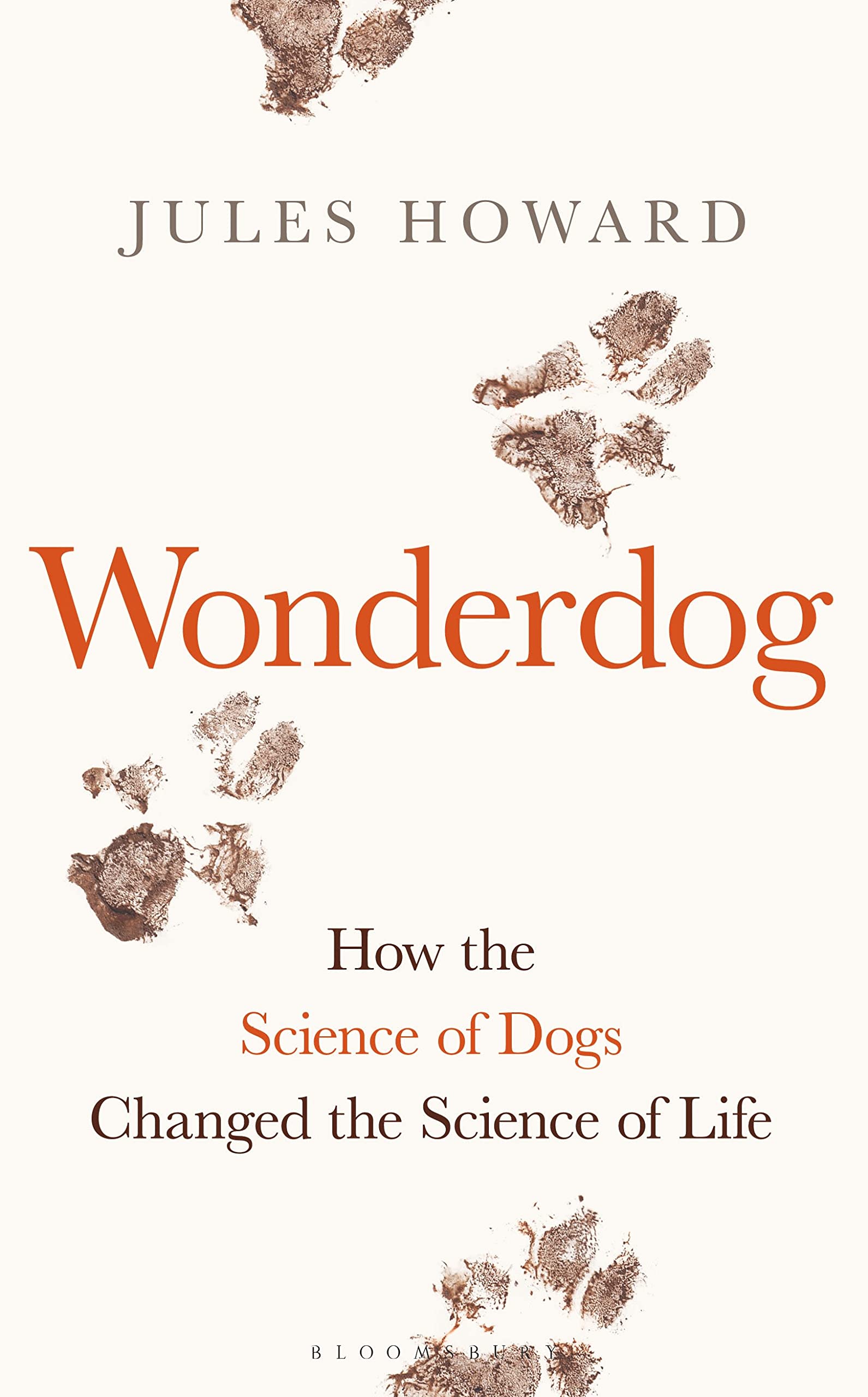
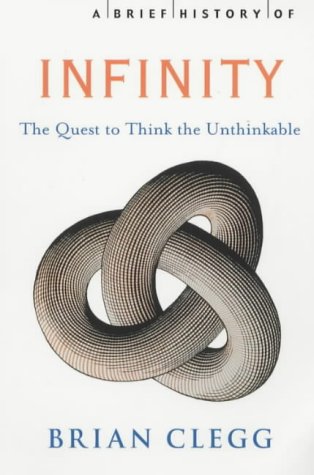
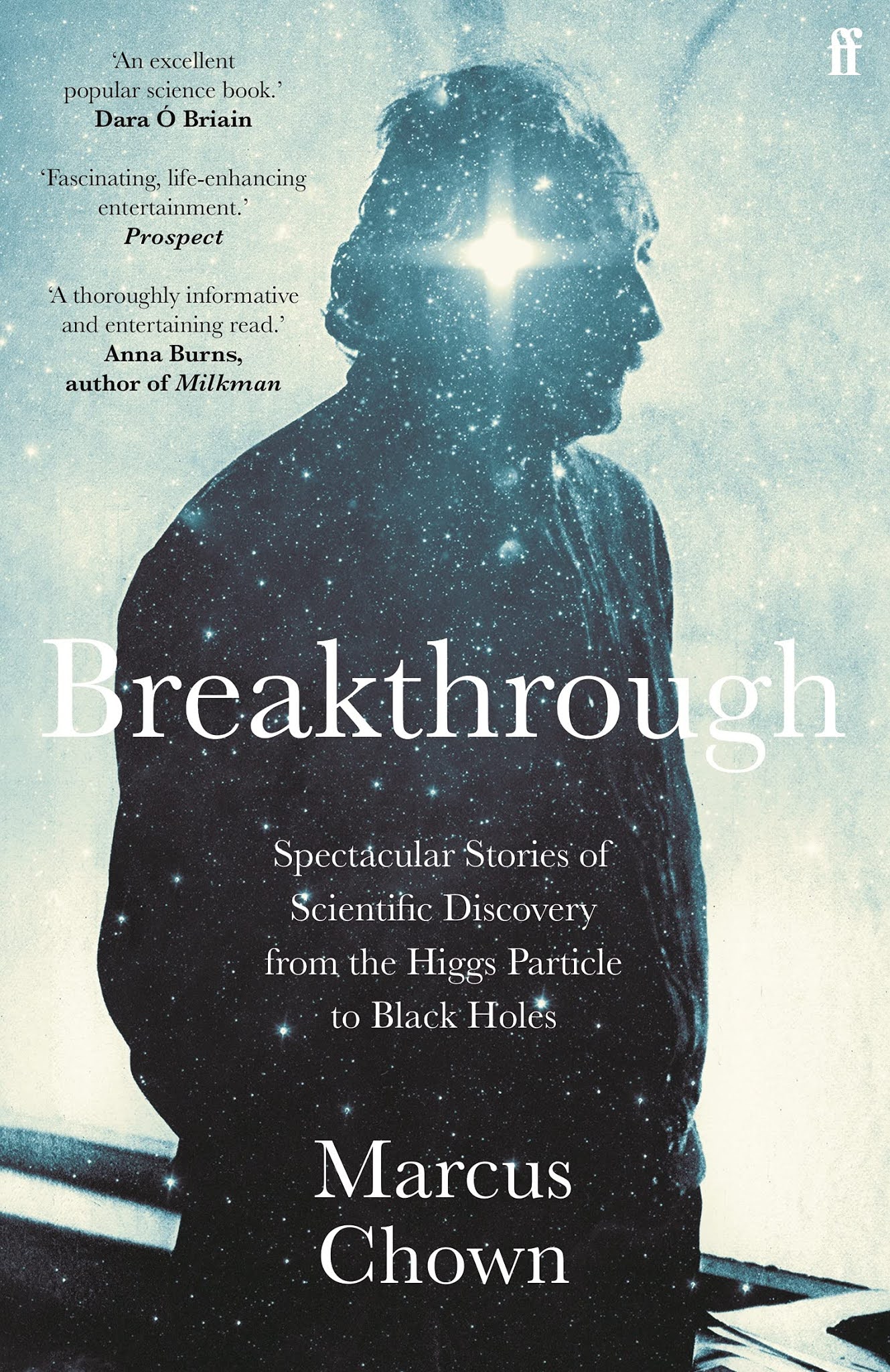
click the image to read the review.
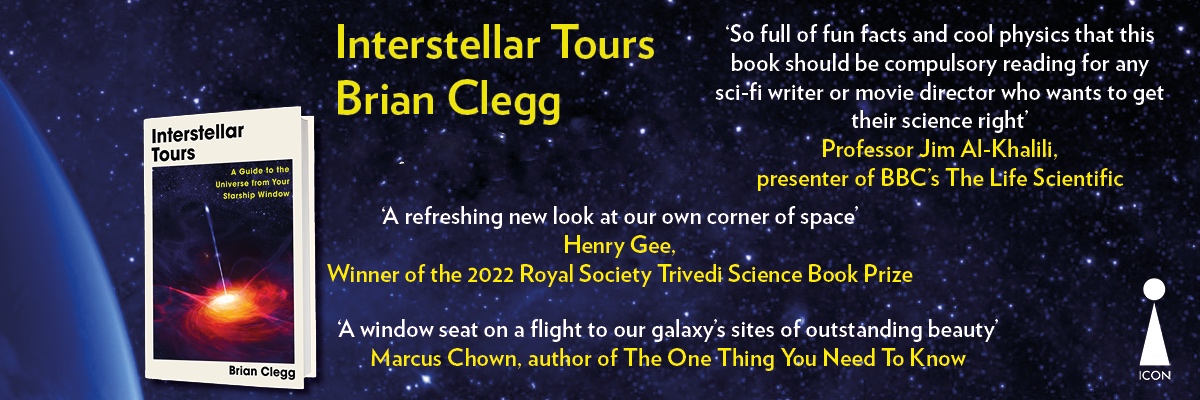

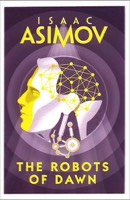
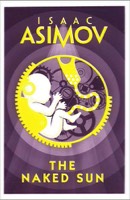
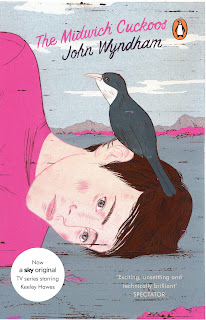
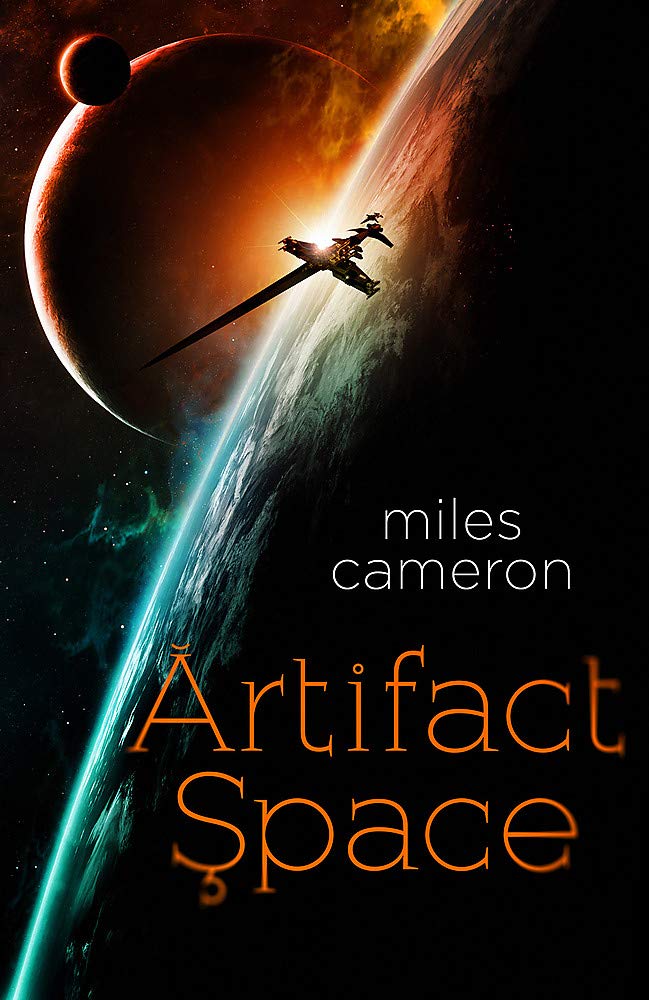
click the image to read the review.
As an Amazon Associate I earn from qualifying purchases.
Latest Interview
Science Director of the Science Museum Group Roger Highfield tells us about the inspirational power of the Moon landings, being caught at the location of a suspected nuclear leak and Stephen Hawking's legacy.

Fancy a break from science books?
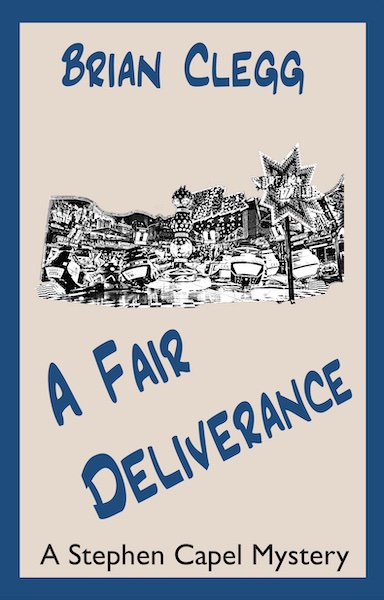
In the seventh Stephen Capel mystery, an impossible murder on a fairground ride opens up a trail that leads to Anglo-Saxon treasure, a mysterious tunnel and a deadly confrontation
When Stephen Capel and Vicky Denning meet historical fiction author Margaret LeVine at the Mop fair in Marlborough, they expect to discuss Capel's plans to start a literary festival - but on a fairground ride, LeVine is killed without anyone appearing to touch her. Soon, LeVine's is not the only life in danger as Capel uncovers connections in the literary world and the hiding place of a long-lost Anglo-Saxon hoard.
The Stephen Capel Mysteries bring the classic British detective story into the twenty-first century.

Feature - Speculation and Science
Our editor, popular science author Brian Clegg explains why, despite his concerns about speculation in science writing, had to include it in his latest book.
Image by Adrien Converse
Books by category
Books by star rating
Other articles
Gift Guide
There’s nothing worse than choosing gifts for difficult-to-buy-for people.
But help is at hand: click through to the Popular Science gift guide.
More features
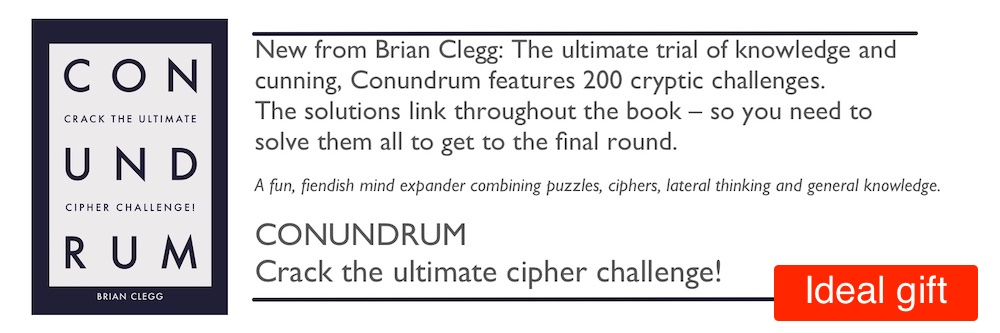
We also explore why maths is relevant to the game of blackjack, the science behind different kinds of slot machines, the science of winning at casinos, probabilities in conundrums and casino games, how AI is taking on the pro gambler, brain training software, slot machine science, randomness in casino games, the role of statistical noise in casino games, the best holiday shopping guide, video game science and online bingo.
Follow our editor on Facebook
Place an essay order online to get a superb paper from our knowledgeable writers.
Our writing service will satisfy your "pay for essay" request for cheap
Minnesota Online High School at EHS
Homeschool Online at Northgate
DISCLAIMER
This site has no connection with Popular Science magazine or other sites and publications with a similar name.
The website should not be eaten or used where it can come into contact with water.
Much of the content of this site is written by popular science writers or friends of popular science writers. Inevitably many of the reviews in such a small community are written by or about someone we know. We always aim to be impartial in our reviews, but there is a connection which we need make clear, as there is no intention to deceive. The content of any review or article is solely the opinion of the author and should not be read or understood on any other basis. The site exists to promote popular science writing and popular science authors and for this reason should be considered promotional material, just as the editorial reviews in an online bookshop or the blurb on the back of a book should be considered promotional.